@BraveSmoke
Personal Rules Against Manipulation and Disinformation
1. Never react immediately to provocation. Anger makes it easier for someone else to control the direction of an exchange.
2. Stay on the original subject. If someone changes the topic, return to the point under discussion. Don't chase distractions.
3. Never defend claims you didn't make. If someone misrepresents your argument, correct it once. Don't waste time defending a straw man.
4. Demand evidence, and examine it. Apply the same standards to allies, opponents, and yourself.
5. Don't accept endless demands for proof. Once evidence has been presented, the other person must address it. Repeating demands without engaging accomplishes nothing.
6. Don't defend your character against insults. Name-calling is irrelevant to whether your argument is correct.
7. Never reveal unnecessary personal information. Keep your identity, location, finances, possessions, contacts, and private activities separate from public debates.
8. Don't allow flattery to buy your trust. Agreement, compliments, and shared beliefs do not establish someone's intentions.
9. Watch patterns rather than isolated incidents. Repeated diversion, misrepresentation, provocation, and selective engagement reveal more than a single questionable response.
10. Never mistake consensus for evidence. Ten accounts repeating the same claim do not make it true.
11. Don't accept guilt as an obligation. Accusations of disloyalty, cowardice, or betrayal do not require you to justify yourself.
12. Never accept invitations to illegal acts or violence. Especially from strangers who encourage you to prove your commitment.
13. Don't let someone dictate your time. You have no obligation to answer every accusation, question, or reply.
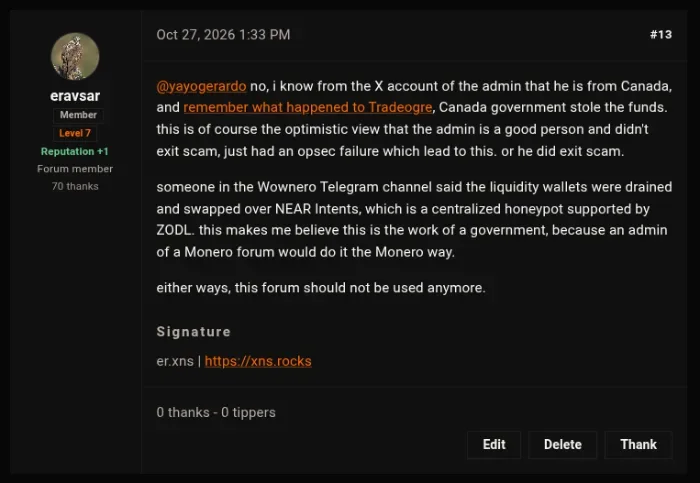
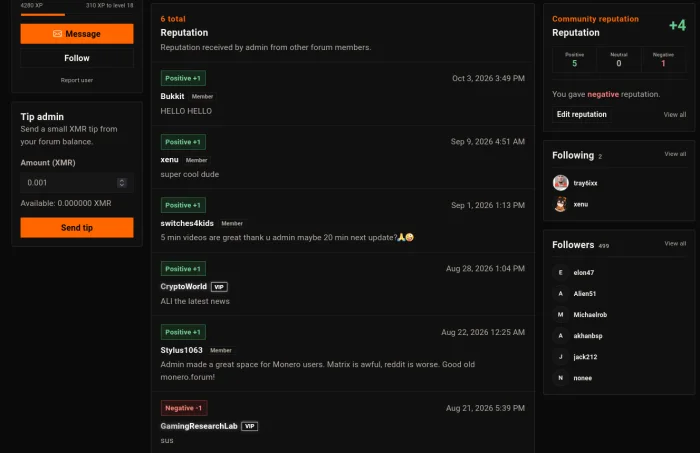
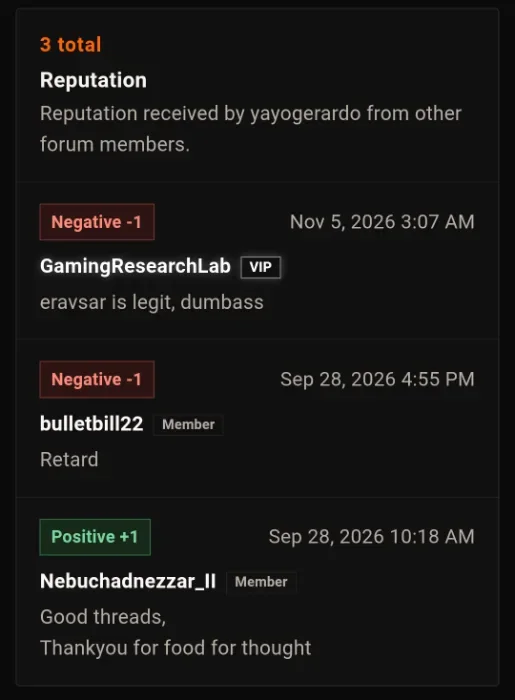
14. Keep records when necessary. Screenshots, dates, original statements, and links preserve context when claims are later distorted.
15. Recognize when discussion becomes circular. If nothing new is being presented, disengage.
16. Never assume someone is an agent solely because of their behavior. Manipulation tactics are not proof of affiliation. Focus on what can be demonstrated.
17. Remain willing to correct yourself. Defending a mistaken position out of pride makes you easier to manipulate.
18. Don't let suspicion consume your attention. Constantly trying to identify infiltrators can itself become a distraction from your objectives.
19. Maintain independence of judgment. Neither authority, popularity, ridicule, nor intimidation determines what is true.
20. Know when to walk away. Silence can be a deliberate choice. You don't owe anyone the last word.
The governing rule: Control your attention, your information, your reactions, and your participation. You do not need to identify an agent to make their tactics ineffective.