

🖇A new modular Monero node (Rust)
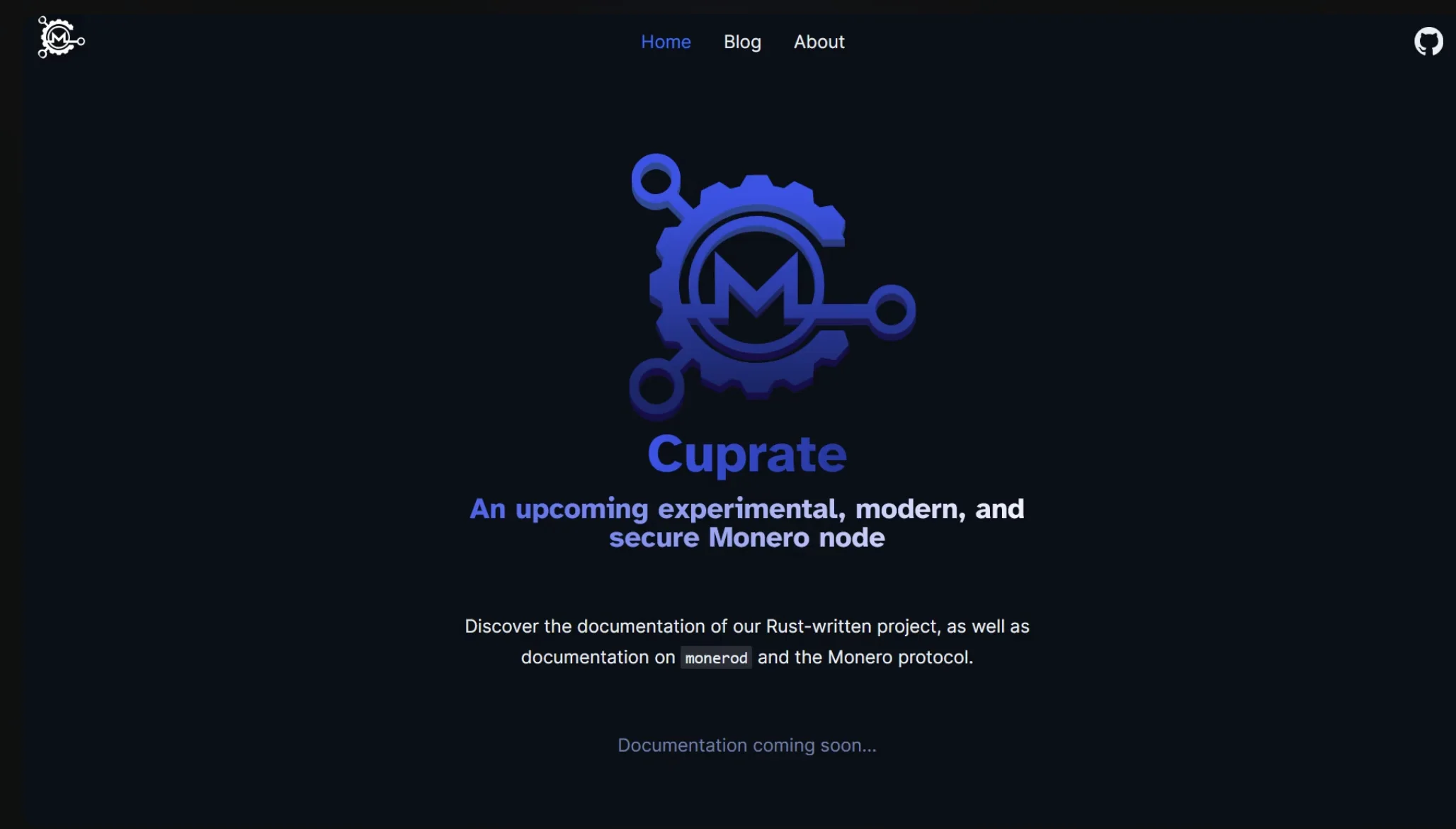
A fresh release of Cuprate (v0.0.9) dropped — an experimental Monero node written in Rust.
This isn’t just another client. It’s a rethink of how a node can be built.
🗝Key takeaways:
Sync is now significantly faster.
Disk usage is lower than monerod (~202GB vs ~292GB).
The database moved away from LMDB to a hybrid model (Fjall + Tapes).
New networking improvements include SOCKS5 support, Tor options, and event-driven synchronization.
The bigger picture here is architecture. Cuprate moves away from a monolithic design toward a more modular approach. That opens the door for more flexible deployments, easier experimentation, and potentially better privacy controls at the node level.
🪄Rethinking Monero’s UI, UX, and identity
At the same time, a detailed community proposal surfaced around Monero’s UI/UX and brand identity.
The core idea is simple: Monero works well, but it doesn’t present itself well to new users
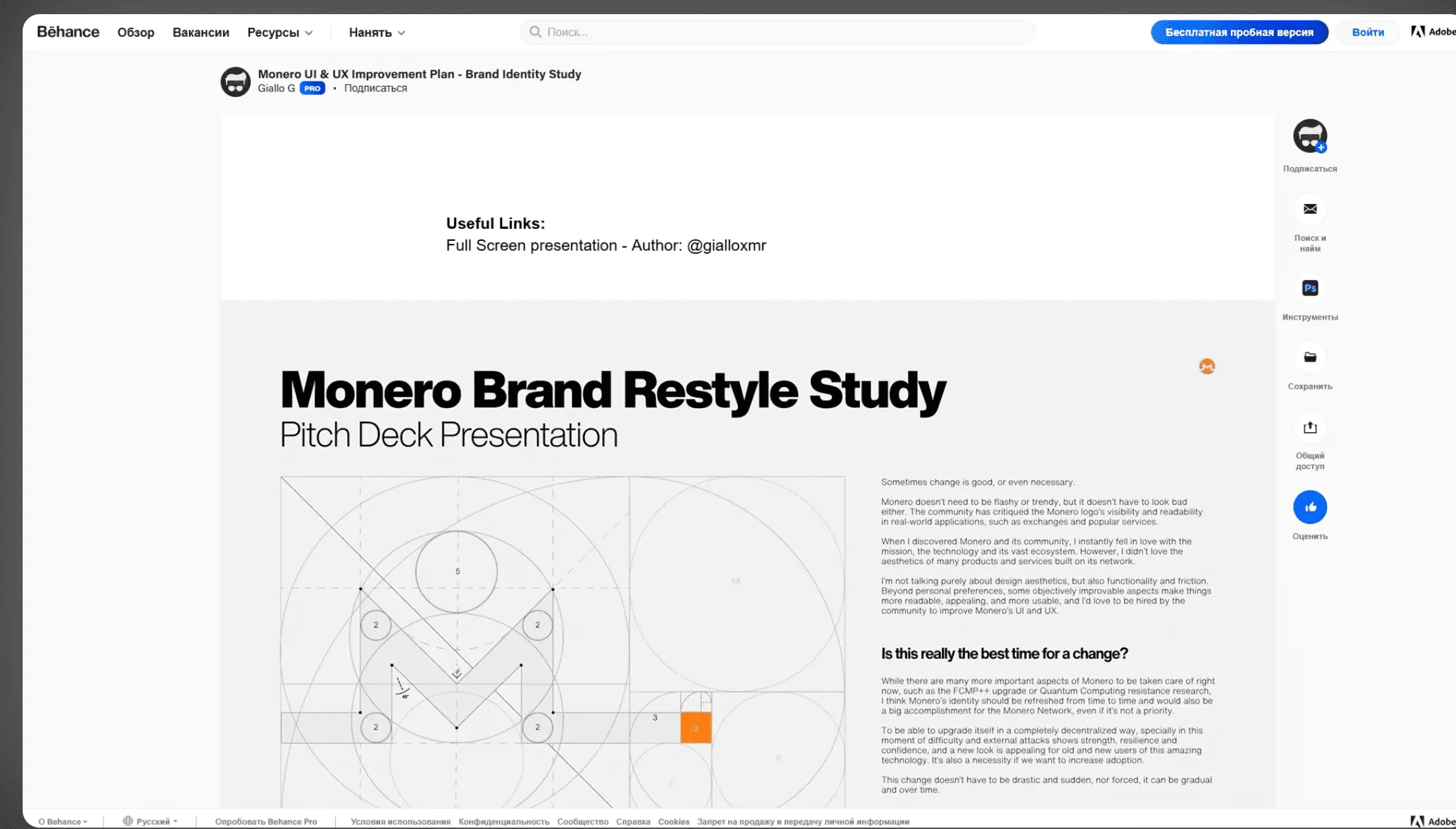
🔍 The proposal highlights a few friction points:
The current visual identity feels outdated.
Onboarding is not intuitive for non-technical users.
Interfaces across the ecosystem lack consistency and clarity.
The goal isn’t to make Monero “flashy,” but to make it more approachable without compromising its principles. That said, this is where opinions split.
🤷♂️Part of the community values the current rough, utilitarian identity, seeing it as aligned with Monero’s ethos.
Another part believes better design is essential if Monero wants broader adoption.
Signature
KYC - Keep Your Coins